
International Medical Exchange: A Delegation from the Faculty of Medicine of Rangsit University in Thailand Visits Shanghai Yida Hospital Again
2026 marks the 51st anniversary of the establishment of diplomatic relations between China and Thailand, and as the "Belt and Road" Initiative continues to advance, cooperation between the two countries in healthcare keeps growing deeper and more substantial. On 30 March, expert teams from the Faculty of Medicine of Rangsit University in Thailand and Rajavithi Hospital visited Shanghai Yida Hospital (Yida Hospital, School of Medicine, Shanghai University) again. The two sides held in-depth talks on topics including clinical specialty development, medical education and research innovation, further advancing the development of medical collaboration between China and Thailand.
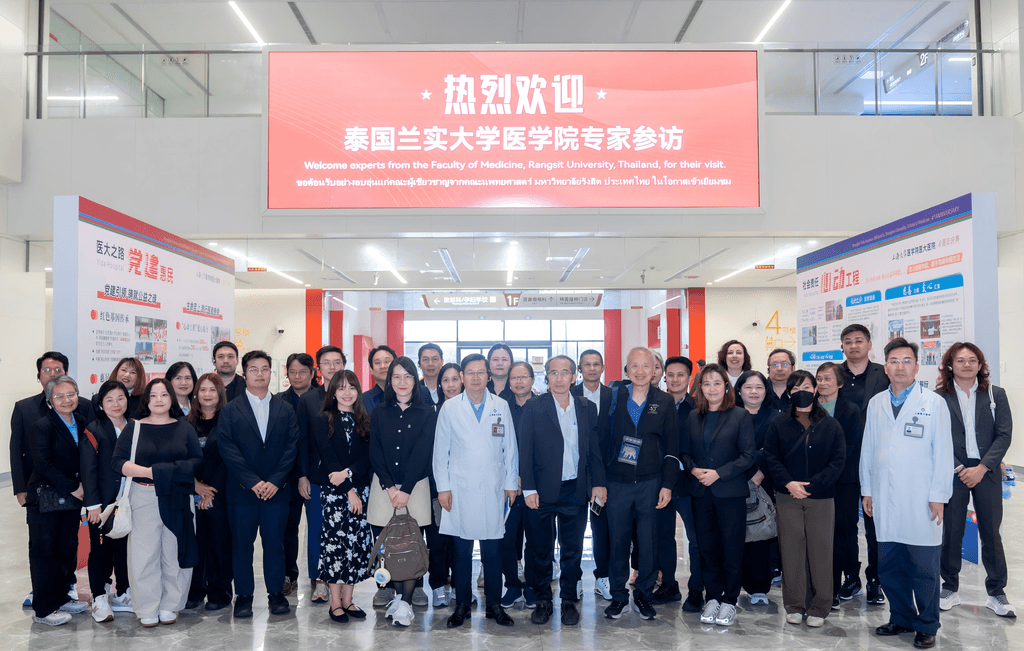
VORACHAI SIRIKULCHAYANONTA, Dean of the Faculty of Science, Rangsit University, Thailand
ACHARAWAN THONGMEE, Head of the Department of Medical Sciences, Rangsit University, Thailand
WANTIKA KRUANAMKAM, Head of the Department of Pharmacology, Rangsit University, Thailand
GUN ANANTASOMBOON, Head of the Department of Anatomy, Rangsit University, Thailand
JITIMA TIYAYON, Deputy Director for Faculty Development, Clinical Medicine Center, Rajavithi Hospital and Queen Sirikit National Institute of Child Health
PAIROJ KHRUEKARNCHANA, Deputy Medical Director, Rajavithi Hospital
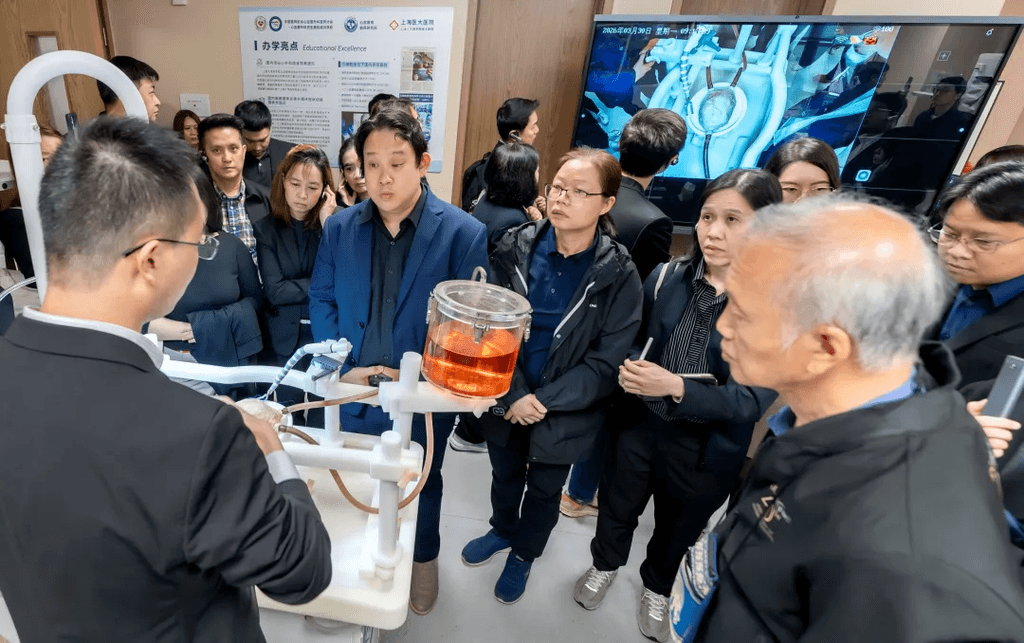
At the start of the event, the Thai delegation, accompanied by the leadership of Shanghai Yida Hospital, visited key areas of the hospital in person, including the emergency department, the pediatrics department, the coronary bypass training base at the VIP/International Medical Center and the traditional Chinese medicine department. The experts spoke highly of the hospital's work in areas such as its clinical training system for cardiac surgery and its practice of integrating traditional Chinese medicine aesthetics with distinctive care, considering these innovative achievements valuable experience for international medical cooperation.
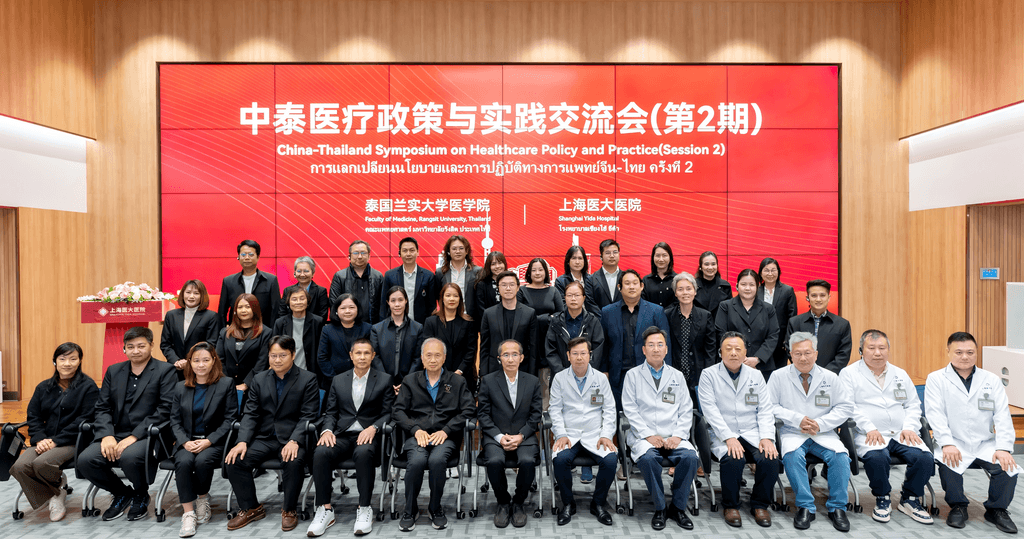
At the exchange meeting, President Liu Chunlong extended a warm welcome to the Thai expert team on their return visit on behalf of the hospital. Yu Zhiqing, Vice President for Medical Affairs, gave a special presentation setting out in full the hospital's achievements in discipline development, smart healthcare and international collaboration. President Liu Chunlong said he looked forward to taking this exchange as an opportunity to carry out deeper cooperation with the Thai side in fields such as medical education and clinical research, for the shared benefit of patients in the region and around the world.
During this visit to China, the delegation made a special trip to the G60 Science and Technology Innovation Corridor, Huawei, Tencent and other places for study and exchange, focusing on the application and development of technological innovation in healthcare.
During the exchange, Mr. PAIROJ said that the friendship between China and Thailand goes back a long way, and that in-depth exchange in healthcare is becoming an important force driving the high-quality development of relations between the two countries. He particularly noted that Yida Hospital has always kept the patient at the center and, in areas such as the systematic building of a clinical training system for cardiac surgery, the refinement of healthcare services and the innovative integration of traditional Chinese medicine into modern care, has provided a highly valuable practical model for training medical professionals with an international outlook, fully reflecting the humanistic care and public welfare orientation of the medical profession. He looks forward to the two sides taking the two exchange meetings as a starting point and carrying out more practical cooperation in areas such as coordinated medical care, education and research and the joint training of specialist professionals.
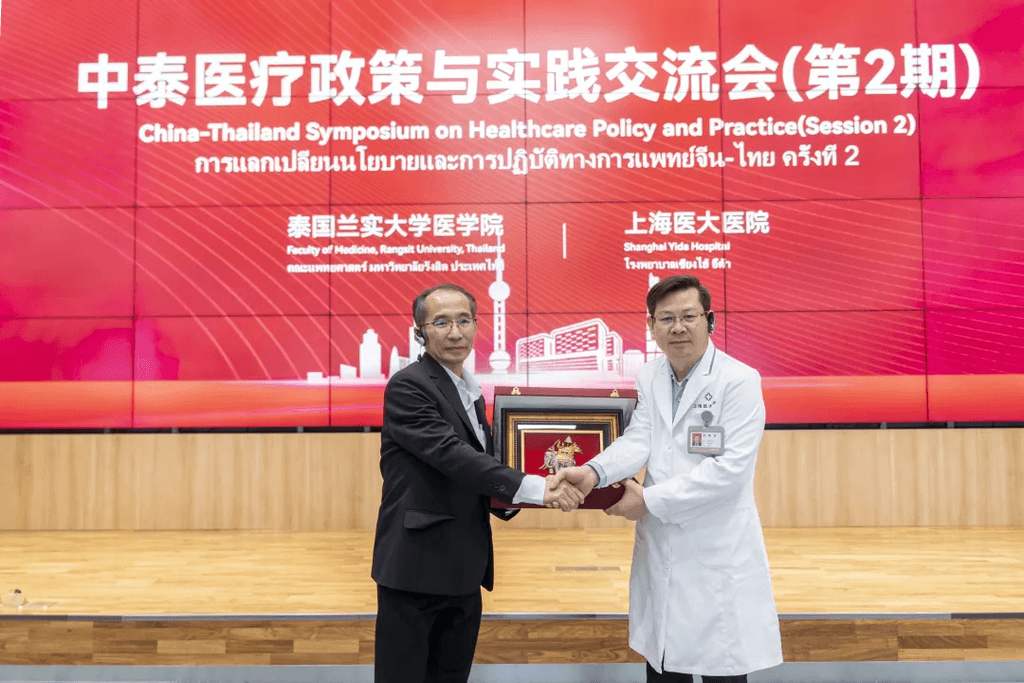
This reunion is not only a continuation of the professional dialogue between the Chinese and Thai medical communities, but also an important milestone in the two sides deepening cooperation and seeking shared development. In the future, Shanghai Yida Hospital will continue to uphold the philosophy of openness, cooperation and mutual benefit, and work with international partners such as the Faculty of Medicine of Rangsit University in Thailand to keep making efforts in fields including coordinated medical education, clinical care and research innovation, contributing wisdom and strength to advancing the high-quality development of healthcare in the region and improving the health and wellbeing of humanity.